

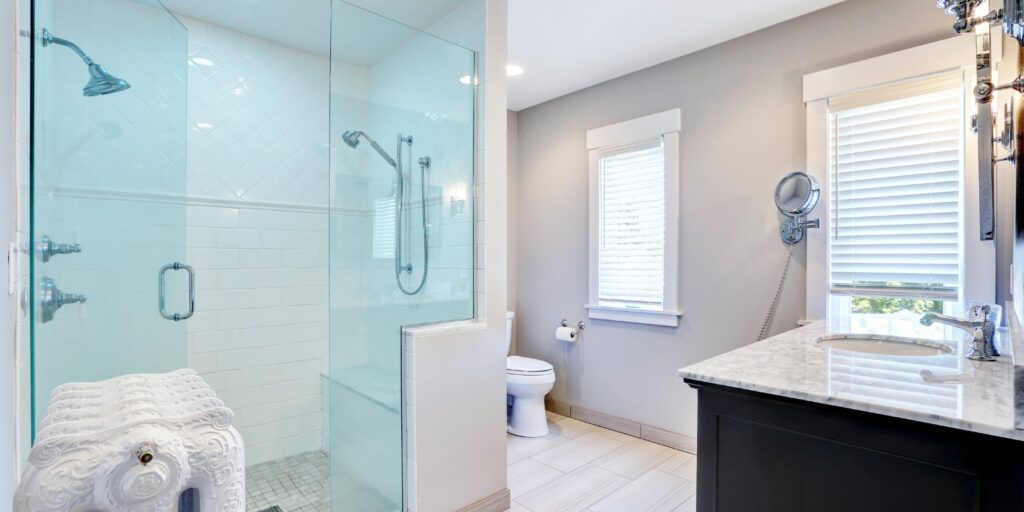
A tub-to-shower conversion sounds simple.
Remove the old tub, install a new shower, and enjoy a modern bathroom.
In reality, it’s one of the most commonly mishandled bathroom remodeling projects homeowners undertake. The biggest problems often don’t show up until months—or even years—after the installation is complete.
This guide explains why walk-in shower conversions are becoming increasingly popular across Arizona, the most common mistakes homeowners make, and what a properly planned conversion should include.
Why Walk-In Shower Conversions Are Growing in Popularity Across Arizona
Several trends are driving demand for walk-in shower conversions throughout Arizona.
Aging in Place
Many Arizona homeowners want to remain in their homes as long as possible.
Traditional tubs can become difficult to enter and exit safely over time. Walk-in showers provide:
- Easier access
- Improved safety
- Better mobility
- Long-term convenience
Increased Home Value
Many homebuyers prefer modern walk-in showers over traditional tub-shower combinations, particularly in primary bathrooms.
A professionally designed shower conversion can improve:
- Buyer appeal
- Marketability
- Overall bathroom aesthetics
Easier Maintenance
Arizona's hard water creates constant maintenance challenges.
Walk-in showers generally:
- Require less cleaning
- Reduce hard-water buildup
- Eliminate difficult-to-clean tub edges
- Simplify daily maintenance
The benefits are clear.
The challenge is making sure the conversion is completed correctly from the start.
Mistake #1: Ignoring Proper Slope and Drainage
Every walk-in shower relies on proper floor slope and drainage.
This is especially important in Arizona, where hard water leaves mineral deposits wherever water is allowed to sit and evaporate.
Poor drainage can cause:
- Standing water
- Mineral buildup
- Slippery surfaces
- Mold growth
- Water intrusion behind walls
A shower floor that isn't properly sloped often requires significant reconstruction to correct.
That's why drainage planning should never be treated as an afterthought.
Mistake #2: Choosing the Wrong Shower Base Material
Not all shower base materials perform equally well in Arizona's environment.
Factors such as:
- Hard water exposure
- Daily use
- Temperature fluctuations
- Cleaning products
can affect long-term durability.
A product that looks impressive in a showroom may not provide the same performance after years of daily use.
Choosing the right shower base from the beginning helps prevent:
- Cracking
- Staining
- Discoloration
- Premature replacement costs
A quality shower conversion should be designed to perform for many years—not just look good on installation day.
Mistake #3: Skipping Accessibility Planning
Many homeowners don't think about accessibility until they need it.
Unfortunately, accessibility features become much more expensive to add after construction is complete.
Two important features to consider include:
Grab Bar Reinforcement
Even if grab bars aren't installed immediately, wall reinforcement should be included during construction.
This allows future grab bars to be installed without damaging finished tile.
Curbless Entry
A curbless shower eliminates the step-over threshold.
Benefits include:
- Improved accessibility
- Safer entry and exit
- Modern appearance
- Easier cleaning
Adding a curbless design during the original renovation is significantly more cost-effective than modifying the shower later.
Mistake #4: Underestimating Permit and Inspection Requirements
Many homeowners assume a tub-to-shower conversion is a simple weekend project.
In reality, many conversions involve:
- Plumbing modifications
- Structural adjustments
- Waterproofing requirements
- Permit approvals
- Inspections
Permit requirements vary throughout Arizona depending on the scope of work and local jurisdiction.
Working with a licensed Arizona contractor helps ensure:
- Permits are obtained correctly
- Work complies with building codes
- Inspections are completed properly
- Future resale issues are avoided
Skipping these steps can create expensive complications later.
What a Proper Walk-In Shower Conversion Includes
A professionally planned shower conversion typically follows a structured process.
Step 1: Remove the Existing Tub
The existing bathtub is removed, allowing access to:
- Plumbing
- Framing
- Subfloor conditions
Step 2: Evaluate Plumbing and Structure
Before installation begins, contractors should inspect:
- Drain placement
- Water lines
- Subfloor integrity
- Structural conditions
Step 3: Install Waterproofing Systems
Proper waterproofing is one of the most critical components of the entire project.
This includes:
- Waterproof membranes
- Sealed transitions
- Moisture protection behind tile
Step 4: Create Proper Drainage Slope
The shower floor must be carefully graded to direct water toward the drain.
Step 5: Install the Shower Base and Tile
Materials are selected based on:
- Durability
- Water resistance
- Maintenance requirements
- Long-term performance
Step 6: Install Glass and Fixtures
The final stage includes:
- Shower glass
- Fixtures
- Trim components
- Finishing details
Why Arizona Homeowners Choose Walk-In Showers
Walk-in showers offer several advantages over traditional tub-shower combinations.
Improved Accessibility
Step-free entry reduces fall risks and improves long-term usability.
Modern Appearance
Walk-in showers create a clean, open aesthetic that complements both contemporary and traditional homes.
Easier Cleaning
Fewer corners and fewer hard-to-reach areas simplify maintenance.
Better Use of Space
Removing a bulky tub can make a bathroom feel larger and more functional.
Key Takeaways
- Walk-in shower conversions continue to grow in popularity across Arizona.
- Poor drainage planning is one of the most common causes of long-term shower problems.
- Shower base selection directly impacts durability and maintenance.
- Accessibility features are far less expensive to include during construction than after completion.
- Permits and inspections should always be handled correctly.
- Proper waterproofing is critical to long-term shower performance.
Frequently Asked Questions
Most walk-in shower conversions take approximately 3–7 days once materials and permits are ready.
Many projects involving plumbing modifications require permits. Requirements vary by jurisdiction and project scope.
Costs depend on materials, shower size, accessibility features, and plumbing requirements. A professional consultation provides the most accurate estimate.